
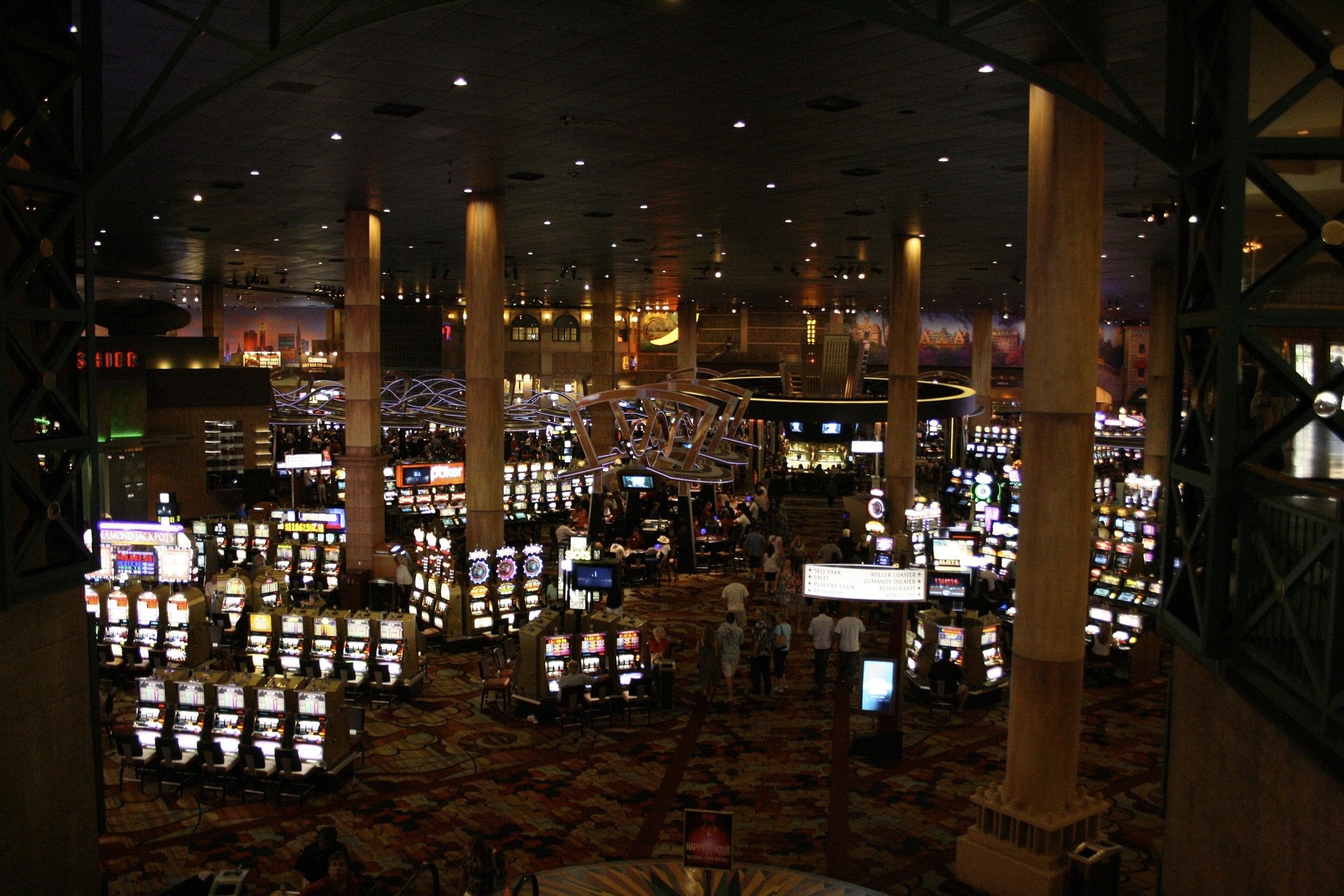
Time perception refers to how individuals experience the passage of time rather than to its objective measurement. In casino environments, this perception often shifts due to the controlled nature of the space. Casinos are designed to minimize external time cues, creating an environment where the usual markers of time become less visible. Without clear reference points such as natural light or visible clocks, individuals rely more on internal cues to gauge duration. This shift in reference alters how time is experienced, making it feel either faster or slower depending on the level of engagement within the environment.
The Role of Environmental Design and Sensory Input
Casino environments use specific design elements that influence how time is perceived. Lighting, sound, and layout all contribute to a continuous and immersive atmosphere. Bright artificial lighting maintains a consistent visual setting regardless of the time of day, while background sounds and game-related audio create a steady sensory experience. The absence of variation in these elements reduces awareness of the passage of time. This controlled sensory input creates a setting where external indicators of time are minimized, encouraging a more fluid perception of duration.
Psychological Factors and Reward Systems

Psychological responses to reward and anticipation also contribute to changes in time perception. Casino games often involve elements of uncertainty and potential reward, which can heighten emotional engagement. This heightened state influences how individuals interpret time, as anticipation and reaction to outcomes create a sequence of focused moments. The presence of reward-based systems reinforces attention on immediate events rather than broader time awareness. This interaction between emotion and perception further shapes how time is experienced within casino settings.
Engagement and Focus in Gameplay
Active engagement in casino games plays a significant role in altering time perception. When individuals focus on gameplay, their attention becomes concentrated on immediate actions and outcomes. This focused attention reduces awareness of external factors, including the passage of time. The repetitive nature of many casino games reinforces this effect, as each round follows a similar pattern. This cycle creates a continuous flow of activity that can make time feel compressed. The relationship between attention and perception highlights how engagement influences the experience of duration within the environment.
The Absence of External Time References
A defining feature of casino environments is the deliberate reduction of external time references. Windows, clocks, and other time indicators are often minimized or absent. This design choice removes the cues that typically help individuals track time in everyday settings. Without these references, individuals rely on internal perception, which can be influenced by engagement and environment. This absence creates a condition in which time becomes less structured and more subjective, contributing to an altered experience of duration.
Time perception changes inside casino environments due to a combination of controlled design, sensory input, focused engagement, psychological factors, and the absence of external time cues. These elements work together to create a setting where the passage of time feels less defined and more fluid. Understanding how these factors interact provides insight into how environments can influence perception and behavior. This perspective highlights the relationship between space, attention, and the experience of time.…

